
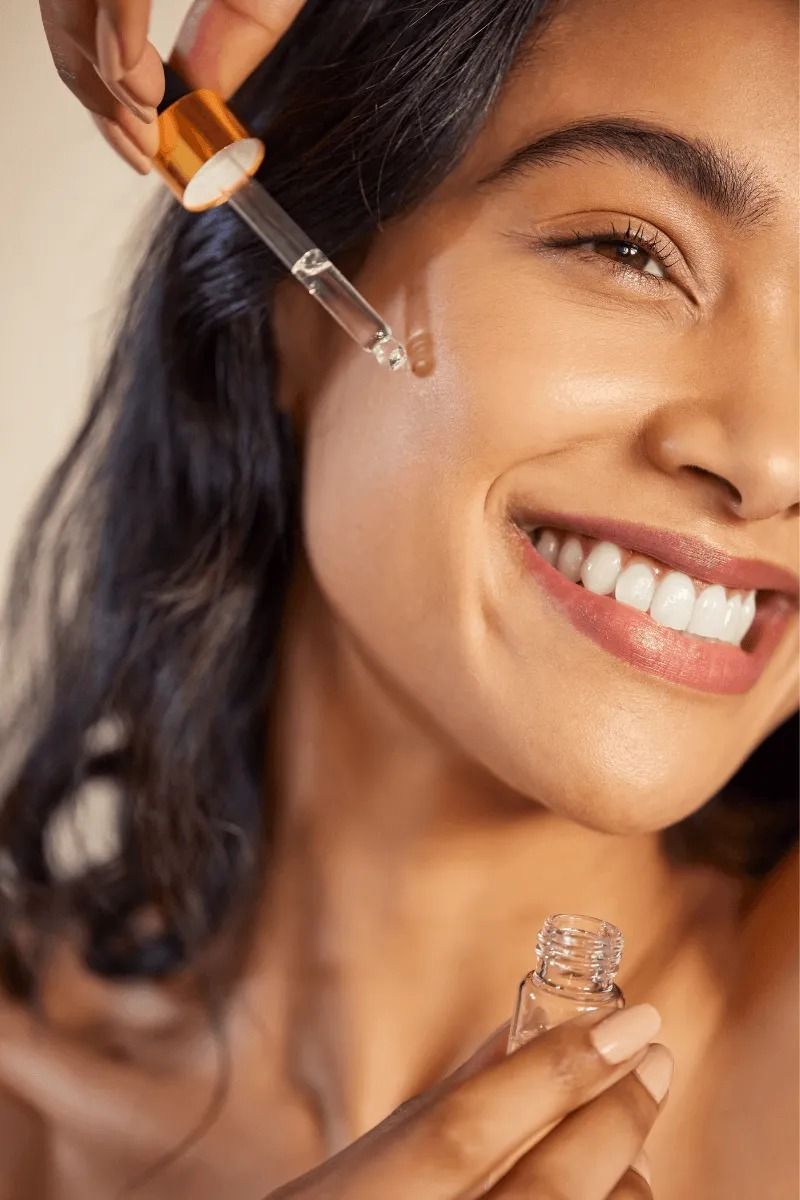
Retinol is a vitamin A derivative known for improving skin texture, clarity, and overall skin quality. Unlike ingredients that work only on the surface, retinol supports cell turnover and collagen production, helping skin behave in a healthier, more balanced way over time.
With regular use, retinol helps unclog pores, smooth uneven texture, reduce post-acne marks, and soften the appearance of fine lines. It also improves skin tone and supports long-term skin renewal rather than offering short-term cosmetic results.
Because retinol is powerful, it should be introduced gradually. Using a small amount at night, followed by moisturizer and daily sunscreen, helps the skin adjust safely and comfortably. When used correctly and consistently, retinol remains one of the most effective ingredients for maintaining clear, smooth, and resilient skin.
What Does Retinol Do for the Skin?
Retinol improves skin health through
several biological actions:
·
Speeds up cell turnover, helping dull,
damaged skin shed more efficiently
·
Stimulates collagen production, improving
firmness and elasticity over time
·
Helps unclog pores, making it effective
for acne and congestion
·
Improves uneven skin tone, including
post-acne marks and early pigmentation
·
Refines skin texture, making skin
smoother and more even
Because of these effects, retinol is commonly used for acne, ageing concerns, and overall skin maintenance.
Why Retinol Takes Time to Work:
Retinol is not a quick-fix ingredient. It works gradually by influencing how skin cells function. This means visible improvement usually appears after several weeks of consistent use, with more noticeable changes over a few months. Early on, some people may experience dryness, mild redness, or flaking—this is often referred to as the “adjustment phase.” When used properly, these effects are temporary.
Who Should Be Cautious with Retinol?
Retinol may not be suitable—or may need
medical supervision—if you:
- have very sensitive or compromised skin
- are pregnant or breastfeeding
- have active skin infections or severe
irritation
Professional advice ensures retinol is introduced safely.
Why Retinol Remains a Skincare Essential
Retinol has stood the test of time because it addresses skin concerns at a cellular level, not just cosmetically. When used correctly, it improves skin quality, resilience, and long-term health rather than offering temporary surface results.