
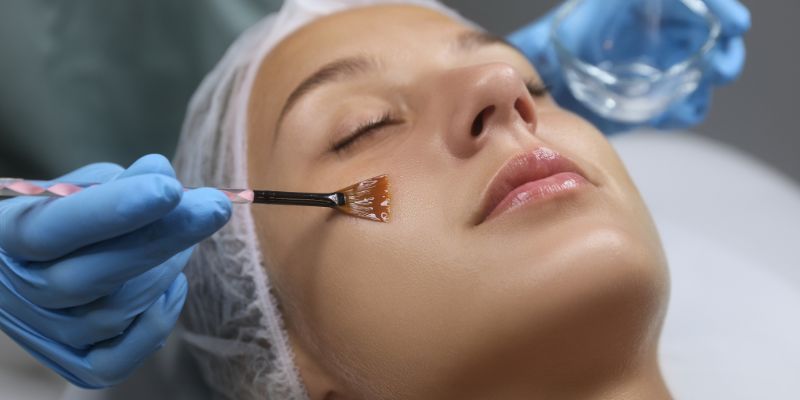
Chemical peeling is a popular skin treatment used by dermatologists to improve skin tone, texture, and overall clarity. Despite its name, a chemical peel is not harsh or damaging when done professionally. In fact, modern chemical peels are designed to be safe, gentle, and effective for different skin types.
What Does Chemical Peeling Do to Your Skin?
Chemical peeling works through controlled exfoliation and
cellular renewal. Its key actions include:
1. Removes Damaged Surface Cells
Peels help shed dead, compacted skin cells that contribute
to dullness, rough texture, clogged pores, and uneven tone.
2. Stimulates Skin Renewal
By accelerating epidermal turnover, peels encourage fresh,
healthier cells to reach the surface, improving brightness and smoothness.
3. Improves Pigmentation and Uneven Tone
Chemical peels help reduce superficial pigmentation by
removing melanin-laden cells and supporting a more even distribution of
pigment.
4. Refines Texture and Pores
Regular peeling can improve skin texture, reduce congestion,
and make pores appear more refined.
5. Supports Skin Clarity and Glow
By clearing surface buildup and enhancing cellular activity, chemical peels restore clarity and radiance to tired or stressed skin.
Who Should Consider Chemical Peeling?
Chemical peeling may be suitable for individuals who
experience:
- dull
or uneven skin tone
- pigmentation
or tanning
- acne-prone
or congested skin
- post-acne
marks
- early
signs of ageing
- rough
or uneven texture
A dermatologist’s assessment is essential to determine:
- skin
type
- sensitivity
level
- underlying
conditions
- appropriate
peel strength and frequency
Chemical peels can be customized for different ages, skin tones, and concerns when selected professionally.
Tips After Having a Chemical Peel
Post-peel care plays a major role in treatment success and
safety.
1. Sun Protection Is Essential
Use a broad-spectrum sunscreen daily and avoid direct sun
exposure to prevent pigmentation.
2. Keep the Skin Hydrated
Apply gentle, dermatologist-recommended moisturizers to
support barrier recovery.
3. Avoid Picking or Scrubbing
Mild peeling or flaking is normal. Picking can cause
irritation or pigmentation.
4. Pause Strong Actives
Avoid retinoids, exfoliants, and strong actives for a few
days unless advised otherwise.
5. Follow Your Dermatologist’s Instructions
Each peel is different. Adhering to aftercare guidance ensures better results and fewer side effects.